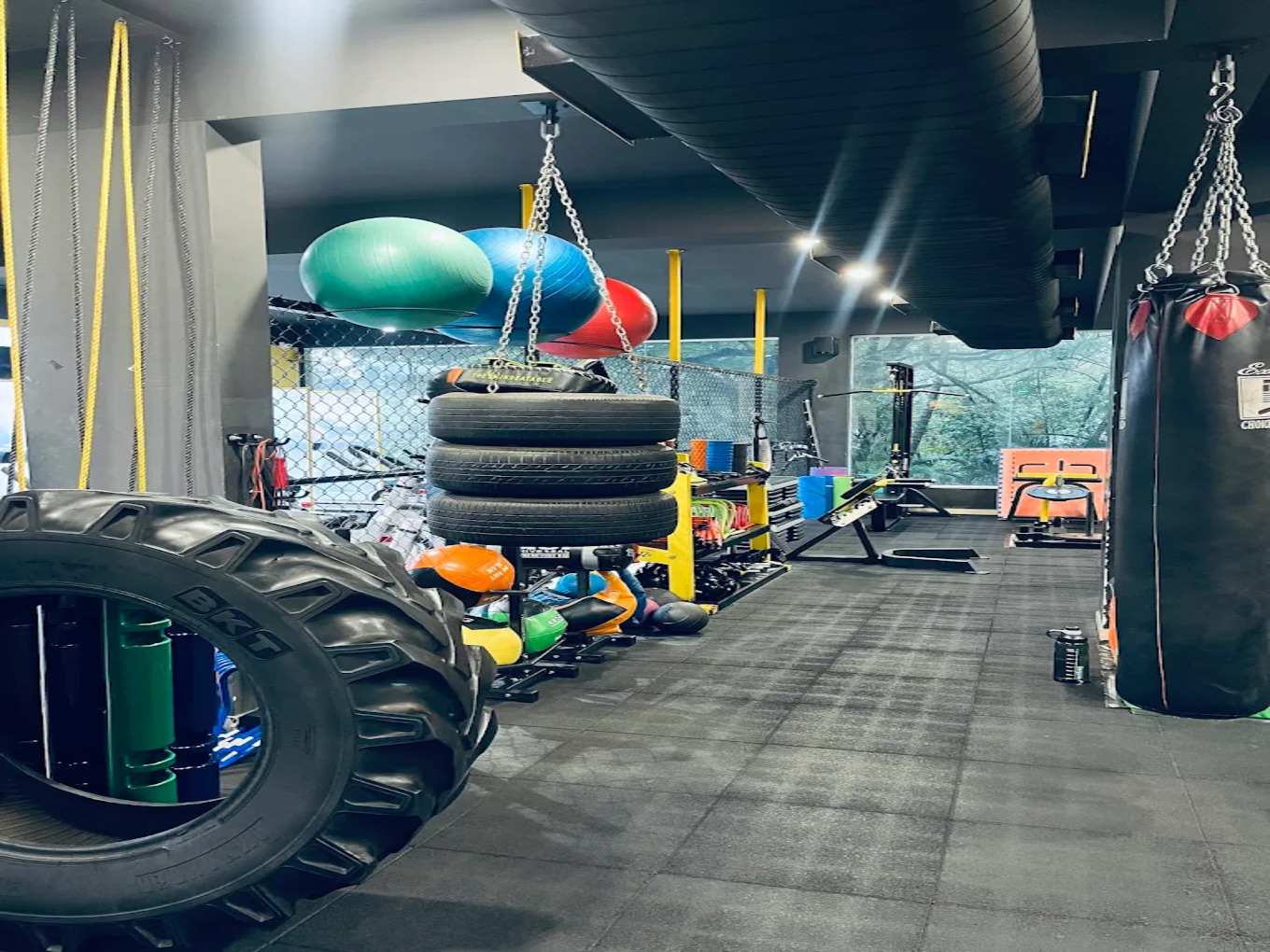
Walk into a conventional commercial gym, and you will see athletes performing seated bicep curls, leg extensions, and pec deck flyes. Walk onto a functional training floor, and you'll see sled pushes, barbell thrusters, kettlebell snatches, and box jumps.
The fitness world often splits these two methodologies into opposing camps: the bodybuilders who prioritize muscle isolation versus the functional athletes who prioritize real-world movement capability. But from an exercise physiology and biomechanics standpoint, which modality actually produces superior long-term results for your body?
1. Defining the Core Mechanisms
To understand which method serves your goals, we must look at how each training style loads your neuromuscular system and motor unit recruitment patterns:
- Traditional Weightlifting (Bodybuilding): Focuses on isolating individual muscle groups through single-plane movements (primarily sagittal or frontal). The primary goal is maximizing mechanical tension and local muscle fatigue without placing heavy demands on total-body cardiovascular conditioning.
- Functional Training: Emphasizes multi-joint, multi-planar movement patterns (squat, hinge, push, pull, rotate, carry). The primary stimulus is inter-muscular coordination, core stabilization under dynamic load, and metabolic conditioning across multiple energy pathways.
2. Muscle Hypertrophy: Can Functional Training Build Mass?
A common misconception is that functional workouts only build cardiovascular endurance and cannot build significant muscle mass. In reality, skeletal muscle hypertrophy responds to three scientifically established stimuli: mechanical tension, muscle fiber recruitment, and metabolic stress.
Heavy compound movements like barbell front squats, weighted pull-ups, overhead push presses, and deficit deadlifts deliver immense mechanical tension across large muscle groups. When programmed with progressive overload, these lifts stimulate substantial myofibrillar hypertrophy while simultaneously training your central nervous system to fire motor units synchronously.
Under our Hypertrophy & Strength training programs, functional movements are paired with strategic accessory exercises to ensure complete muscular development without creating the joint stiffness often associated with pure machine-based isolation routines.
⚡ Key Insight: Isolation exercises are exceptional for addressing specific aesthetic weak points or rehabbing injuries, but compound functional movements elicit a significantly higher systemic hormonal and metabolic response per minute of training.
3. Energy Systems & Cardiovascular Conditioning
Traditional weightlifting predominantly relies on the Phosphagen (ATP-CP) system — short, intense bursts lasting 5–15 seconds followed by 2–3 minutes of seated rest. While this develops maximum force output, it leaves the aerobic and anaerobic glycolytic pathways largely untrained.
Functional training challenges all three human energy systems simultaneously. A high-intensity circuit combining kettlebell cleans, assault bike sprints, and wall balls forces your cardiovascular system to shuttle lactate efficiently, elevating your excess post-exercise oxygen consumption (EPOC) and keeping your metabolic rate elevated for hours post-workout.
4. Real-World Athleticism & Joint Longevity
Life outside the gym does not happen on guided machine tracks with padded backrests. Whether you are playing weekend sports in Bangalore, carrying heavy travel luggage, or reacting to unexpected balance shifts, your body moves across three-dimensional space.
Traditional bodybuilding routines rarely train rotation, deceleration, or asymmetrical loading. Functional training builds joint bulletproofing by strengthening stabilizer muscles, pelvic control, and tendon elasticity. Incorporating heavy sled drags on our sprint turf and farmer's carries strengthens the spinal erectors and transverse abdominis, dramatically reducing lower back and knee injury risks.
Direct Method Comparison
| Attribute | Traditional Weightlifting | Functional & CrossFit Training |
|---|---|---|
| Primary Outcome | Localized muscle hypertrophy & symmetry | Total-body power, work capacity & athletic mobility |
| Caloric Expenditure | Moderate (longer rest intervals) | Very High (elevated EPOC metabolic burn) |
| Movement Planes | Primarily Sagittal (up/down) | Multi-planar (3D movement, rotation, carries) |
| Energy Systems | ATP-CP Dominant | ATP-CP, Glycolytic & Aerobic Oxidative |
| Time Efficiency | Requires 60–90 min body-part splits | High total-body output in 45–60 min blocks |
The Hybrid Athlete: Why the Best Routine Blends Both
Elite athletic performance doesn't require choosing one style exclusively. The most resilient athletes in Bengaluru train as Hybrid Athletes:
- Compound Base: Heavy barbell back squats, deadlifts, and bench presses to establish absolute force production.
- Functional Conditioning: Metabolic CrossFit circuits, plyometrics, and sled sprints to develop stamina and grit.
- Targeted Isolation: Cable rotations, lateral raises, and hamstring curls for structural balance and joint health.
At Goldkraft Fitness, our 10,000 sq ft facility is purposely engineered with both world-class selectorized machines and an expansive functional turf zone. You get the benefits of heavy strength training, high-intensity CrossFit WODs, and dedicated recovery all under one roof.
Explore our flexible membership tiers or talk with our coaching staff to build a customized training split tailored to your exact physique and performance targets.
LEVEL UP YOUR TRAINING AT GOLDKRAFT
Get a personalized assessment from our certified coaches to balance functional performance and pure strength in your routine.
Chat With a Coach on WhatsApp